

Buying a Vacation Home in Harrison Hot Springs: Rental Income & Lifestyle
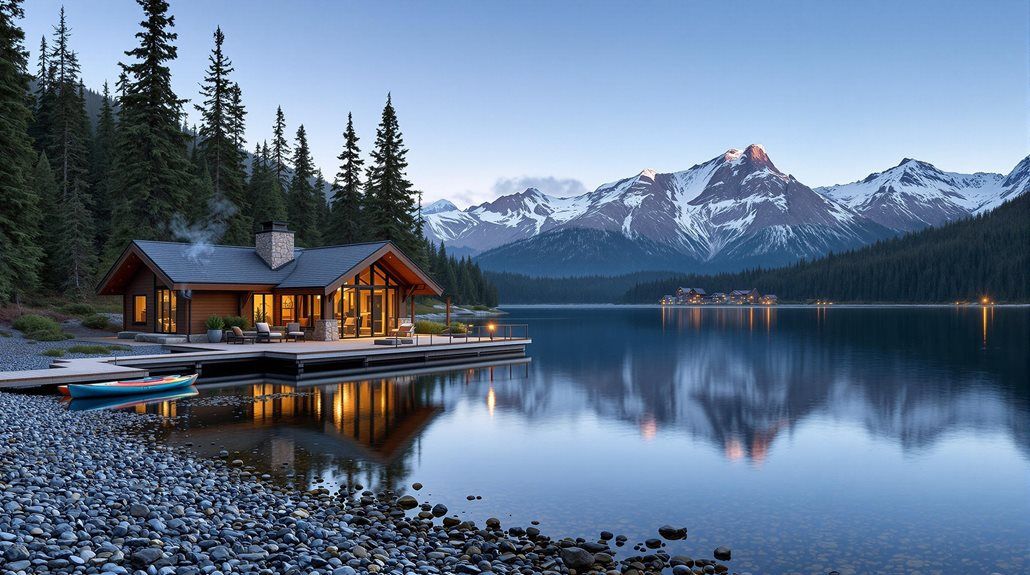
As a local agent working with Harrison Hot Springs real estate, I’m often asked by Lower Mainland buyers whether a vacation property here is worth it. Harrison has a way of drawing you in—the first glimpse of Harrison Lake from Highway 7 feels like you’ve stepped into another world. But owning here means looking past the postcard. Short-term rental rules, seasonal rhythms, and the quirks of a small village all shape whether Harrison is the right fit for your goals.
Who a Harrison Vacation Home Fits
In my experience, three groups of buyers get the most out of a Harrison property:
- Families who want summer weeks at the lake and appreciate a walkable, neighbourly village.
- Retirees who enjoy spa culture, local festivals, and the slower pace once the tourists leave.
- Vancouver professionals looking for a weekend retreat within a 90-minute drive.
If you’re an investor expecting constant occupancy and quick flips, Harrison isn’t that market. This is more of a “use it + hold it” community, where the payoff comes from lifestyle value and long-term ownership, not speculative gains.
Short-Term Rentals: The Rules You Need to Know
Harrison isn’t a free-for-all for Airbnbs. Buyers need to navigate three layers of regulation:
- Zoning: The village permits short-term rentals only in designated commercial zones. Most residential streets do not allow them.
- Provincial law: British Columbia’s principal residence requirement allows only your main home and one additional unit to be rented nightly.
- Strata bylaws: Complexes such as Echo Beach, Laguna Beach, and Cascades prohibit STRs, while Harrison on the Lake, The Oasis, and Aquila allow them with a valid business licence.
One of the first things I advise clients: confirm strata bylaws before you commit. A lake view doesn’t mean much if the rules block the income you’re counting on.
Rental Numbers and the Seasonal Curve
According to short-term rental analytics, average nightly rates in Harrison are about $180, with annual occupancy under 50%—roughly 170 nights booked per year. It’s a market defined by cycles, not steady income:
- High season: May through September, when Sasquatch Days, the Harrison Festival of the Arts, and hot weekends pack the town.
- Shoulder season: March–April and October, with lighter but steady weekend traffic.
- Low season: November through February, when fog settles in and bookings slow to a trickle.
If you’re hoping for Whistler-style returns, you’ll be disappointed. But if your goal is to enjoy the property yourself and offset some carrying costs in summer, the math works.
Living the Village Rhythm
Harrison is really two villages in one. In July, the Esplanade buzzes with music, line-ups spill out of Muddy Waters café (same every summer—locals know to go early), and families crowd the inflatable water park. Step onto the Spirit Trail and you’ll smell cedar before you see the carvings tucked into the shade. The Harrison Grind offers a tough climb with rewarding views, and the marina is busy with boat tours, fishing charters, and paddlers. In late autumn, eagles gather along the Harrison River—a spectacle you won’t forget.
Winter changes the pace completely. The Miami River Greenway is quiet except for dog walkers, the Harrison Hot Springs Resort pools become a warm refuge, and snowshoeing in Sasquatch Provincial Park is just 20 minutes away. Locals head to Agassiz or Chilliwack for bigger grocery runs or a night at the curling club. Highway 7 can back up on Fridays, and fog or icy patches keep drivers alert—but that’s part of life here. Quiet? Absolutely. And for many owners, that calm is exactly the appeal.
Local Character and Traditions
Harrison’s quirks set it apart. The resort pools divide opinion—some clients love the nostalgia, others say the facilities are dated. The public hot springs pool, run by the village, gives everyone a chance to soak, and smaller wellness spas offer alternatives beyond the resort. The Black Forest Restaurant has been serving schnitzel since the 1970s and is still a go-to. The closure of Hobo Hot Springs, a rustic free soak spot near East Beach, triggered community outcry when it was filled with boulders. The province ordered restoration—proof of how protective locals are of their natural assets.
Choosing the Right Location
When clients ask me where to buy, I frame it like this:
- Esplanade condos: Scenic and walkable, but expect noise and limited parking in peak season.
- Miami River side streets: Quieter, more private, and appealing for longer stays.
- Newer builds like Aquila: Modern amenities, clearer bylaws, and a balance of comfort and flexibility.
Each option offers a different trade-off—do you value walkability, peace and quiet, or a more modern investment?
Balancing Lifestyle and Investment
Here’s the truth I share with clients: Harrison isn’t about maximizing return on investment. It’s about owning a place you’ll actually use. If you plan to spend time here—walking Spirit Trail in the fog, queuing for coffee in July, watching eagles skim the river—then a vacation property in Harrison pays you back in ways the spreadsheets won’t show. If you’re chasing ROI alone, the strict rules and seasonal dips will frustrate you. For the right buyer, though, Harrison feels like a second home that happens to carry some of its own weight.
If you’d like to talk through whether Harrison Hot Springs fits your goals, reach out—I’ve helped many buyers weigh this decision, and I’ll give you the same honest perspective I’d share with a neighbour.
FAQ Section
Harrison Hot Springs Vacation Home FAQs
Is Harrison Hot Springs a good place to buy a vacation home if I also want some rental income?
Yes—if you’ll actually use the property and treat rental income as an offset, not a primary business. Harrison is a “use it + hold it” market with seasonal demand and tighter short-term rental (STR) rules than larger resort areas.
Can I run an Airbnb or short-term rental in Harrison Hot Springs?
Only in specific circumstances. You must satisfy three layers: (1) local zoning (most residential areas prohibit nightly rentals; commercial zones may permit them), (2) B.C.’s principal residence requirement (typically only your primary home and one additional unit), and (3) strata bylaws (some buildings allow STRs; others ban them outright). Always verify all three before you buy.
Do I need a business licence for a short-term rental?
Yes. Where STRs are permitted, a municipal business licence is typically required and may involve inspections and fees. Licence requirements can differ by zone and building, so confirm with the Village and your strata before listing.
Which condo buildings usually allow (or prohibit) nightly rentals?
Rules vary by strata and can change. Some complexes in the village core have historically prohibited nightly rentals, while others have allowed them with a licence. Don’t rely on hearsay—obtain current bylaws, meeting minutes, and any rental disclosure statements for the exact unit you’re considering.
How much rental income is realistic for a Harrison vacation property?
Short-term rental analytics for the area suggest an average daily rate in the ~$180 range with annual occupancy below 50% (about 170 nights/year). Revenue is highly seasonal—summer drives most of the bookings. Treat these as directional benchmarks and underwrite conservatively based on your unit, location, and bylaws.
When is peak, shoulder, and low season for bookings?
High season: roughly May–September (festivals, lake weather). Shoulder: spring and late autumn weekends. Low: November–February (quieter village rhythm). Pricing and occupancy follow that curve.
Which areas are best for a vacation home: Esplanade or side streets?
Esplanade condos offer lake views and walkability but can be noisy and parking-tight in summer. Miami River side streets are quieter and feel more residential—great for longer stays. Newer buildings with clear bylaws can balance comfort, rental flexibility, and maintenance predictability.
What practical trade-offs should I expect in summer and winter?
Summer: lively festivals, busy waterfront, limited parking, more ambient noise along the Esplanade. Winter: foggy lake mornings, calm pathways, reduced tourist traffic, and a slower pace—great for owners who enjoy quiet time.
What’s the wellness scene beyond the resort pools?
In addition to the Harrison Hot Springs Resort pools (opinions vary), the Village operates a public hot springs pool, and the Healing Springs Spa offers treatments tied to the mineral waters. Smaller wellness spas in town also cater to owners and guests who want a reset after hiking or paddling.
What outdoor activities draw guests (and owners) through the year?
Summer brings paddling, boat tours, and beach days; Spirit Trail walks and the Harrison Grind hike remain popular. In late autumn, eagles crowd the Harrison River. Winter shifts to snowshoeing in Sasquatch Provincial Park and peaceful Miami River Greenway strolls.
How’s access on weekends? Any commuter or driving tips?
Highway 7 can bottleneck on Friday evenings and Sunday returns, especially in summer. In winter, fog or icy patches are common. Many owners time their drives off-peak, carpool, or plan a late departure after dinner to avoid the rush.
What about groceries, dining, and everyday amenities?
The village has cafés and restaurants (long-time favourites remain busy in summer), but bigger grocery runs are usually done in Agassiz or Chilliwack. Plan ahead on long weekends—parking and table waits are part of the summer rhythm.
How do Canadian lenders view a Harrison vacation home for financing?
Many lenders treat it as a secondary residence or a rental, depending on use. Expect stronger down payment requirements (often 20%+), qualification on stated income and debts, and tighter underwriting if you plan to rent. Work with a Canadian mortgage broker who regularly handles vacation properties.
Which taxes and fees should I budget for in British Columbia?
Plan for Property Transfer Tax at purchase, annual property taxes, strata fees (if applicable), insurance, utilities, and any business licence fees for STRs. Provincial and federal rules change—especially for non-resident buyers—so confirm current programs (e.g., speculation/vacancy frameworks or federal restrictions) with your accountant and lawyer.
What should I watch for in strata documents before I write an offer?
Read bylaws, rules, and recent minutes for rental clauses, noise/usage restrictions, pet rules, and any pending special levies. Review Form B, depreciation reports, insurance certificates, the contingency fund balance, and ask directly about potential special assessments. Pay attention to how strictly short-term rental enforcement and fines are applied.
How do insurance and utility costs typically look for a vacation condo or house?
Costs vary by building, age, and coverage. For condos, the strata carries a master policy; you’ll still need a condo unit policy and STR endorsements if renting. For houses, budget for full home insurance plus STR endorsements, Hydro, internet, and seasonal maintenance (dock, decks, exterior).
If I plan light renovations, do I need approvals?
In a strata, interior changes often require written approval; exterior changes almost always do. For detached homes, permits may be required for structural, electrical, or plumbing work. If you’ll be renting, verify that your upgrades meet fire and safety standards tied to your business licence.
Is Harrison better for lifestyle or return on investment?
Lifestyle first, with a modest rental offset. Owners who spend time here—walking Spirit Trail, soaking, hiking, or just enjoying the quieter winters—tend to be happiest. If your priority is maximising return on investment, the
Buying a Vacation Home in Harrison Hot Springs: Rental Income & Lifestyle
As someone who works in Harrison Hot Springs real estate, I’ve walked plenty of buyers down the Esplanade in mid-July. You can hear guitars from buskers, smell cedar drifting down from the hills, and feel the lake breeze cutting through the summer heat. The same walk in January feels like another world—fog hugging the shoreline, gulls echoing across the water, and barely another person in sight. That shift is what makes Harrison special, and it’s also what shapes whether owning here fits your goals.
Who Buys Here
Most of my clients aren’t speculators. Families come for safe summers where kids can dart between the beach and the playground while parents line up for coffee at Muddy Waters. Retirees ease into spa culture and the slower rhythm of winter. Vancouver professionals pull off Highway 7 on a Friday night, knowing they’ll be lakeside in under two hours. What they share is the idea of Harrison as a place to use and hold over time—not something you buy for a quick flip.
The Short-Term Rental Reality
Short-term rentals are where many buyers stumble. Harrison has three layers of rules, and you need all three to line up:
- Zoning: Only certain commercial pockets allow nightly rentals; most residential areas don’t.
- Province: B.C.’s principal residence requirement means only your primary home and one other unit can be rented short-term.
- Strata: Buildings like Echo Beach and Cascades ban STRs outright, while Harrison on the Lake and Aquila may allow them with a business licence.
I’ve seen deals unravel at this stage more than once. A lake view loses its shine quickly if the bylaws block the rental plan you were counting on.
What Rentals Actually Earn
According to STR analytics, Harrison averages about $180 a night with occupancy below 50%—roughly 170 nights a year. The rhythm is easy to spot: summers are lively, shoulder months tick along, and winters are hushed. Owners who come up themselves and rent in peak season usually make it work. Those chasing year-round cash flow often find the quiet months harder than they expected.
Life in Two Seasons
Summers feel like a lakeside festival. The Esplanade is packed, the Harrison Festival of the Arts brings music into the streets, and Spirit Trail carries the cool smell of cedar. I’ve climbed the Harrison Grind with clients, legs burning, only to have them stop mid-breath at the view from the top. By autumn, the eagles arrive in clusters along the riverbanks, a sight that never loses its edge. In winter, the Miami River Greenway is hushed except for dog walkers, the resort pools steam against the cold, and snowshoe tracks lace through Sasquatch Provincial Park. It’s quieter, yes—but many of my buyers tell me that’s exactly why they love it.
Character and Quirks
Harrison isn’t polished in the way larger resorts are, and that’s part of its character. The Harrison Hot Springs Resort pools split opinion—some love the nostalgia, others call them dated. The village-run public hot springs pool offers an affordable soak, while the Healing Springs Spa and a handful of boutique spas serve those looking for more. The Black Forest Restaurant still serves schnitzel the way it did in the 1970s, and it’s packed on most weekends. When Hobo Hot Springs was blocked off with boulders, locals rallied until the province stepped in with a restoration order. That kind of community pushback tells you how protective people here are of the land and water that define the village.
Where Buyers Tend to Look
Each pocket of Harrison offers a different experience, and the choice depends on how you picture using your place:
- Esplanade condos: The lake is right outside your door, cafés are steps away, but summers bring noise and parking headaches.
- Miami River side streets: A quieter, neighbourly feel where you can hear birds more often than buskers.
- Newer builds like Aquila: Modern layouts, clearer strata rules, and a balance between comfort and rental flexibility.
I walk clients through these options not as better or worse, but as different shades of Harrison life. Some thrive on the buzz, others want the calm.
Balancing Lifestyle and Investment
Harrison doesn’t reward you with spreadsheets full of high returns. It rewards you with mornings on Spirit Trail when the fog hugs the trees, with the sound of eagles along the river in November, with the ritual of driving into Agassiz for groceries on a Saturday morning. Owners who measure value in memories, not just margins, are the ones who stay happiest here. The rental income helps, of course, but the lifestyle is the real payoff.
If you’d like to see whether Harrison fits your plans, let’s talk. I’ve helped plenty of buyers weigh the same decision, and I’ll give you the same straight perspective I’d share with any neighbour over coffee.
Harrison Hot Springs Vacation Home FAQs
Is Harrison Hot Springs a good place to buy a vacation home if I also want some rental income?
Yes—if you’ll actually use the property and treat rental income as an offset, not a primary business. Harrison is a “use it + hold it” market with seasonal demand and tighter short-term rental (STR) rules than larger resort areas.
Can I run an Airbnb or short-term rental in Harrison Hot Springs?
Only in specific circumstances. You must satisfy three layers: (1) local zoning (most residential areas prohibit nightly rentals; commercial zones may permit them), (2) B.C.’s principal residence requirement (typically only your primary home and one additional unit), and (3) strata bylaws (some buildings allow STRs; others ban them outright). Always verify all three before you buy.
Do I need a business licence for a short-term rental?
Yes. Where STRs are permitted, a municipal business licence is typically required and may involve inspections and fees. Licence requirements can differ by zone and building, so confirm with the Village and your strata before listing.
Which condo buildings usually allow (or prohibit) nightly rentals?
Rules vary by strata and can change. Some complexes in the village core have historically prohibited nightly rentals, while others have allowed them with a licence. Don’t rely on hearsay—obtain current bylaws, meeting minutes, and any rental disclosure statements for the exact unit you’re considering.
How much rental income is realistic for a Harrison vacation property?
Short-term rental analytics for the area suggest an average daily rate in the ~$180 range with annual occupancy below 50% (about 170 nights/year). Revenue is highly seasonal—summer drives most of the bookings. Treat these as directional benchmarks and underwrite conservatively based on your unit, location, and bylaws.
When is peak, shoulder, and low season for bookings?
High season: roughly May–September (festivals, lake weather). Shoulder: spring and late autumn weekends. Low: November–February (quieter village rhythm). Pricing and occupancy follow that curve.
Which areas are best for a vacation home: Esplanade or side streets?
Esplanade condos offer lake views and walkability but can be noisy and parking-tight in summer. Miami River side streets are quieter and feel more residential—great for longer stays. Newer buildings with clear bylaws can balance comfort, rental flexibility, and maintenance predictability.
What practical trade-offs should I expect in summer and winter?
Summer: lively festivals, busy waterfront, limited parking, more ambient noise along the Esplanade. Winter: foggy lake mornings, calm pathways, reduced tourist traffic, and a slower pace—great for owners who enjoy quiet time.
What’s the wellness scene beyond the resort pools?
In addition to the Harrison Hot Springs Resort pools (opinions vary), the Village operates a public hot springs pool, and the Healing Springs Spa offers treatments tied to the mineral waters. Smaller wellness spas in town also cater to owners and guests who want a reset after hiking or paddling.
What outdoor activities draw guests (and owners) through the year?
Summer brings paddling, boat tours, and beach days; Spirit Trail walks and the Harrison Grind hike remain popular. In late autumn, eagles crowd the Harrison River. Winter shifts to snowshoeing in Sasquatch Provincial Park and peaceful Miami River Greenway strolls.
How’s access on weekends? Any commuter or driving tips?
Highway 7 can bottleneck on Friday evenings and Sunday returns, especially in summer. In winter, fog or icy patches are common. Many owners time their drives off-peak, carpool, or plan a late departure after dinner to avoid the rush.
What about groceries, dining, and everyday amenities?
The village has cafés and restaurants (long-time favourites remain busy in summer), but bigger grocery runs are usually done in Agassiz or Chilliwack. Plan ahead on long weekends—parking and table waits are part of the summer rhythm.
How do Canadian lenders view a Harrison vacation home for financing?
Many lenders treat it as a secondary residence or a rental, depending on use. Expect stronger down payment requirements (often 20%+), qualification on stated income and debts, and tighter underwriting if you plan to rent. Work with a Canadian mortgage broker who regularly handles vacation properties.
Which taxes and fees should I budget for in British Columbia?
Plan for Property Transfer Tax at purchase, annual property taxes, strata fees (if applicable), insurance, utilities, and any business licence fees for STRs. Provincial and federal rules change—especially for non-resident buyers—so confirm current programs (e.g., speculation/vacancy frameworks or federal restrictions) with your accountant and lawyer.
What should I watch for in strata documents before I write an offer?
Read bylaws, rules, and recent minutes for rental clauses, noise/usage restrictions, pet rules, and any pending special levies. Review Form B, depreciation reports, insurance certificates, the contingency fund balance, and ask directly about potential special assessments. Pay attention to how strictly short-term rental enforcement and fines are applied.
How do insurance and utility costs typically look for a vacation condo or house?
Costs vary by building, age, and coverage. For condos, the strata carries a master policy; you’ll still need a condo unit policy and STR endorsements if renting. For houses, budget for full home insurance plus STR endorsements, Hydro, internet, and seasonal maintenance (dock, decks, exterior).
If I plan light renovations, do I need approvals?
In a strata, interior changes often require written approval; exterior changes almost always do. For detached homes, permits may be required for structural, electrical, or plumbing work. If you’ll be renting, verify that your upgrades meet fire and safety standards tied to your business licence.
Is Harrison better for lifestyle or return on investment?
Lifestyle first, with a modest rental offset. Owners who spend time here—walking Spirit Trail, soaking, hiking, or just enjoying the quieter winters—tend to be happiest. If your priority is maximising return on investment, the regulations and seasonality may feel limiting.
What’s a sensible next step before I book showings?
Line up financing, confirm your intended use (personal vs. rental), and ask your agent to pre-screen candidates for zoning, strata bylaws, and business-licence viability. That way, every property you tour already fits your plan.
How does resale demand look for Harrison vacation homes?
Harrison is generally a “hold and enjoy” market. Properties resell steadily but without the rapid appreciation of larger B.C. resort towns. Buyers here are usually end-users seeking lifestyle first. If you plan to sell in the future, expect moderate but reliable demand rather than speculative spikes.
Categories
- All Blogs (87)
- About Abbotsford (21)
- About Harrison Hot Springs (1)
- About Harrison Mills (4)
- About Langley (1)
- About Surrey (3)
- About White Rock (3)
- Building Home Equity (20)
- City Guides (11)
- City Statistics (25)
- Community Events (1)
- Listing Spotlights (4)
- Mortgages & Refinancing (1)
- Recreation (1)
- Small Business Spotlight (2)
- When Buying (28)
- When Relocating (6)
- When Selling (6)
Recent Posts



GET MORE INFORMATION

Katie Van Nes
Fraser Valley Real Estate Expert BCFSA License Number 153237
Fraser Valley Real Estate Expert BCFSA License Number 153237